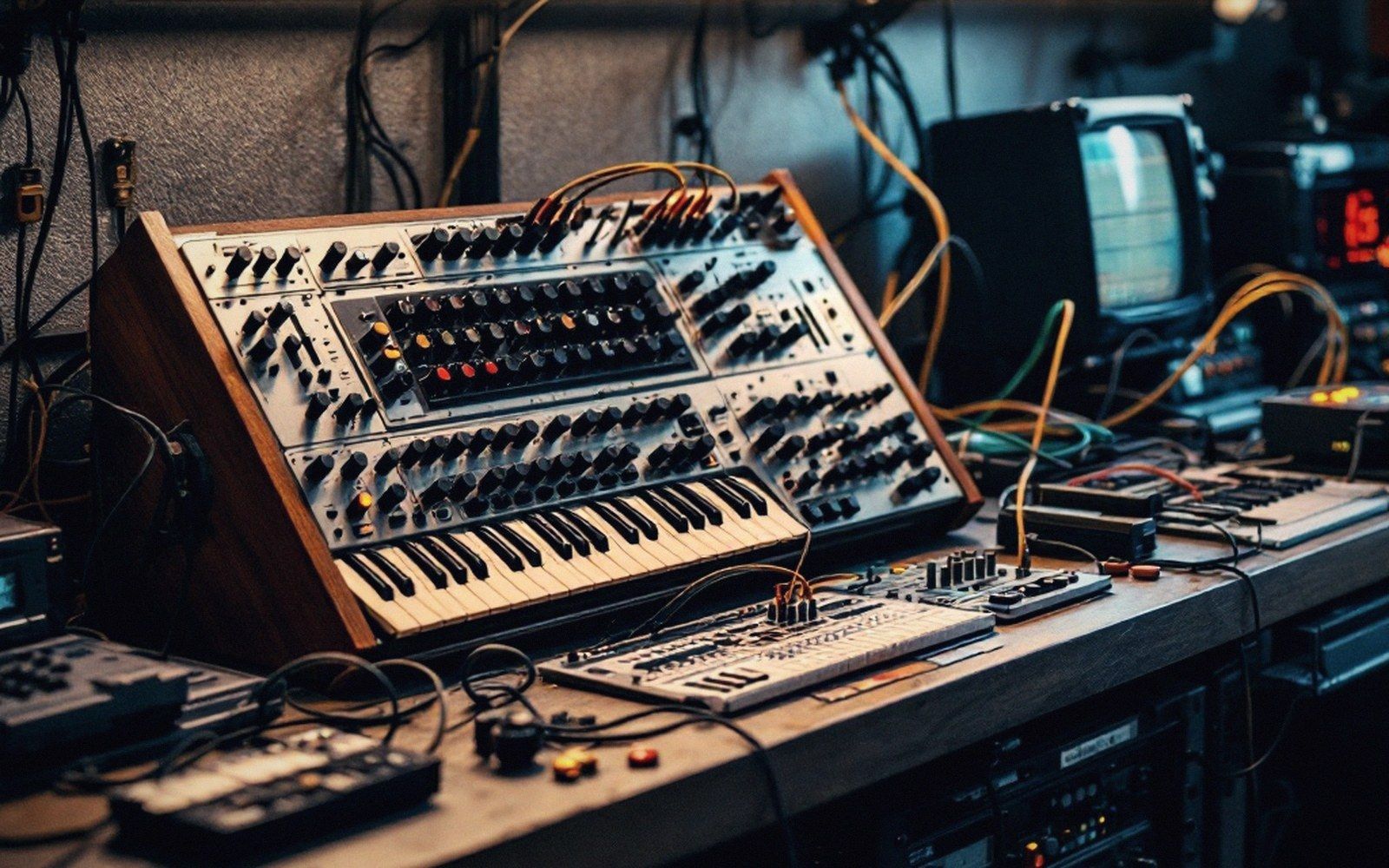
Filed by limit, not by manufacturer or era
Filed by limit, not by manufacturer or era. Each entry states the ceiling, what imposed it, what relieved it, and the working practice it produced.
- The ceilingWhat the machine could not do.
- What imposed itA price, a part count, a panel that ran out of room.
- What relieved itThe revision, successor or workaround that lifted it.
- The practice it producedThe technique people invented to work inside it.
The Memory Ran Out, So the Break Was Cut Into Pieces
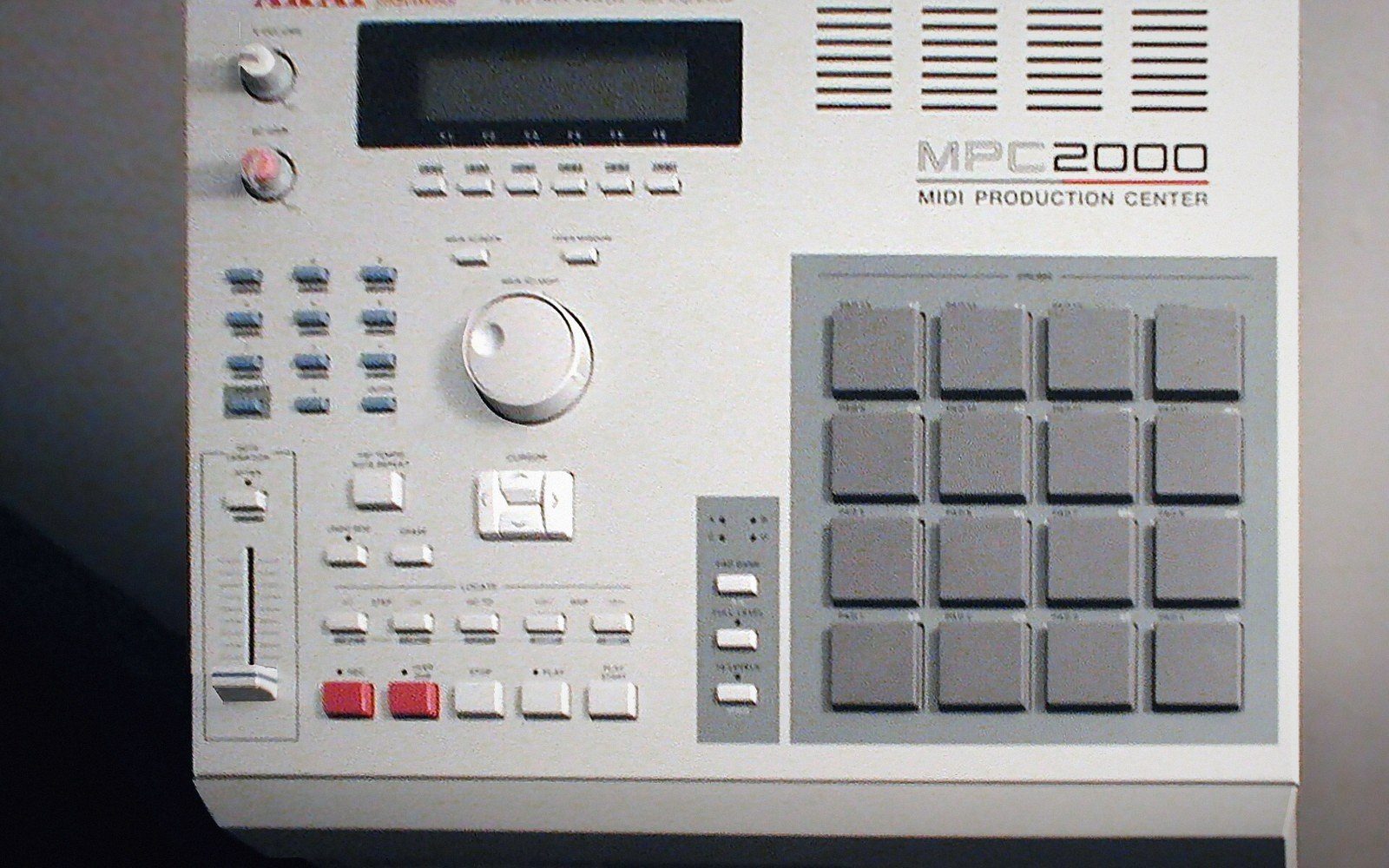
Two and a half seconds holds a fragment, not a performance. The ceiling was set by the price of memory, and it made the recorded bar raw stock.
Synthesis
Shaping voltage into tone — oscillators, filters, envelopes.
A Panel Is an Argument
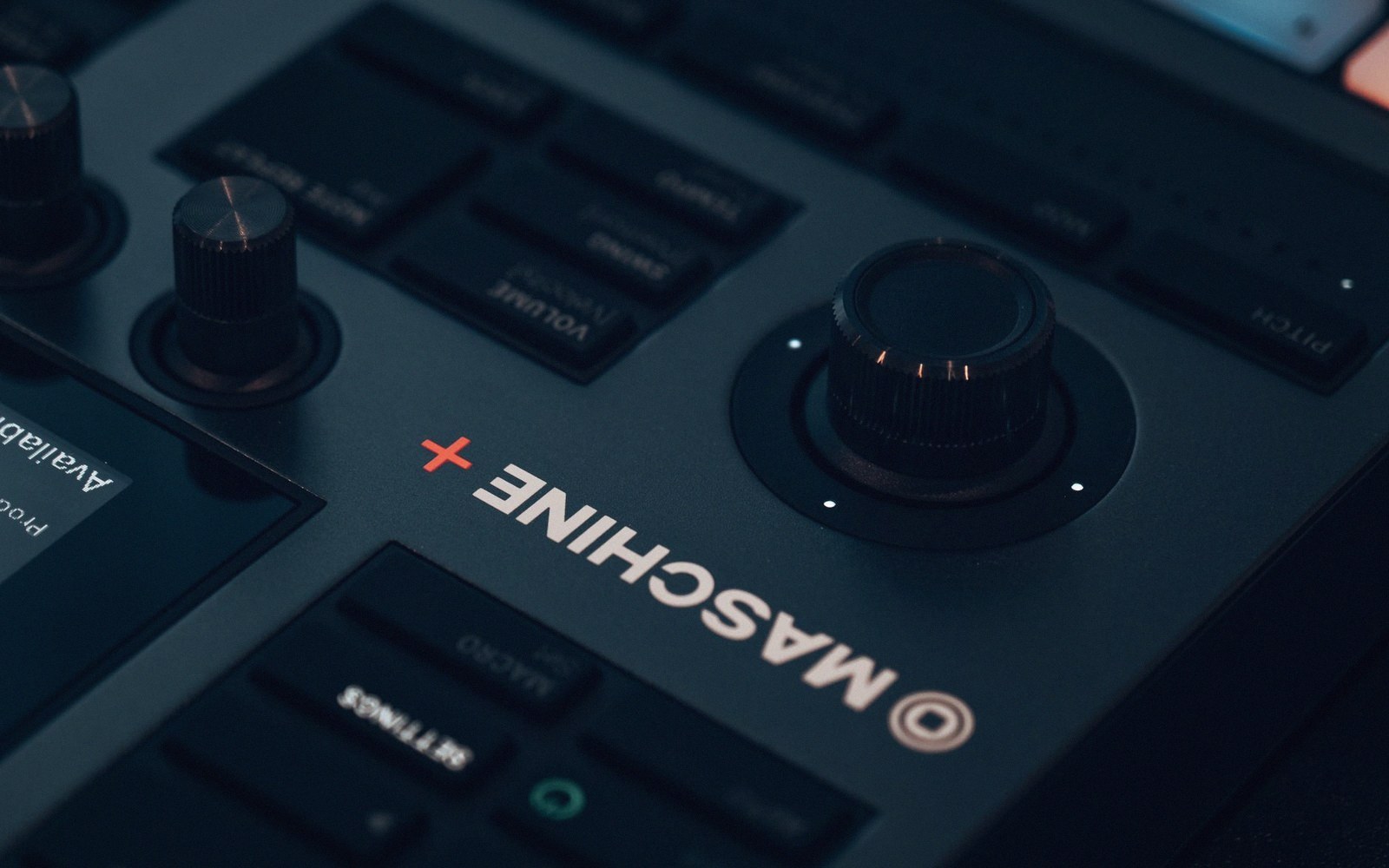
Every front panel is a claim about what matters. One knob per function against menu diving, the layout as a theory of how the instrument should be played, and how panel design shaped the music made on it.
Six Operators, No Filter
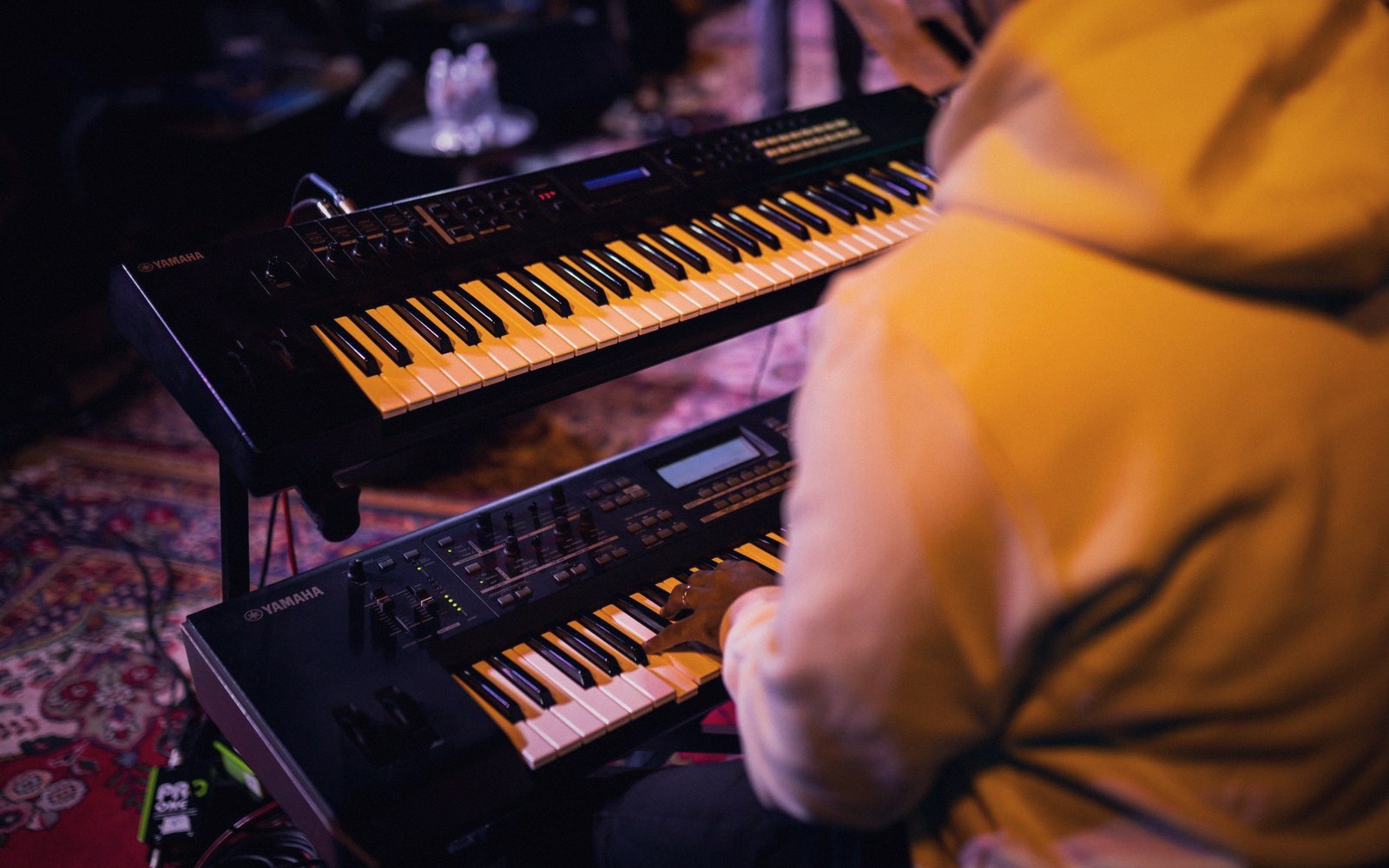
The DX7 threw out the filter — the one control every synthesist understood — and replaced it with mathematics almost nobody did. The result was on half the records of its decade. Why FM sounded like nothing else and why almost everyone used presets.
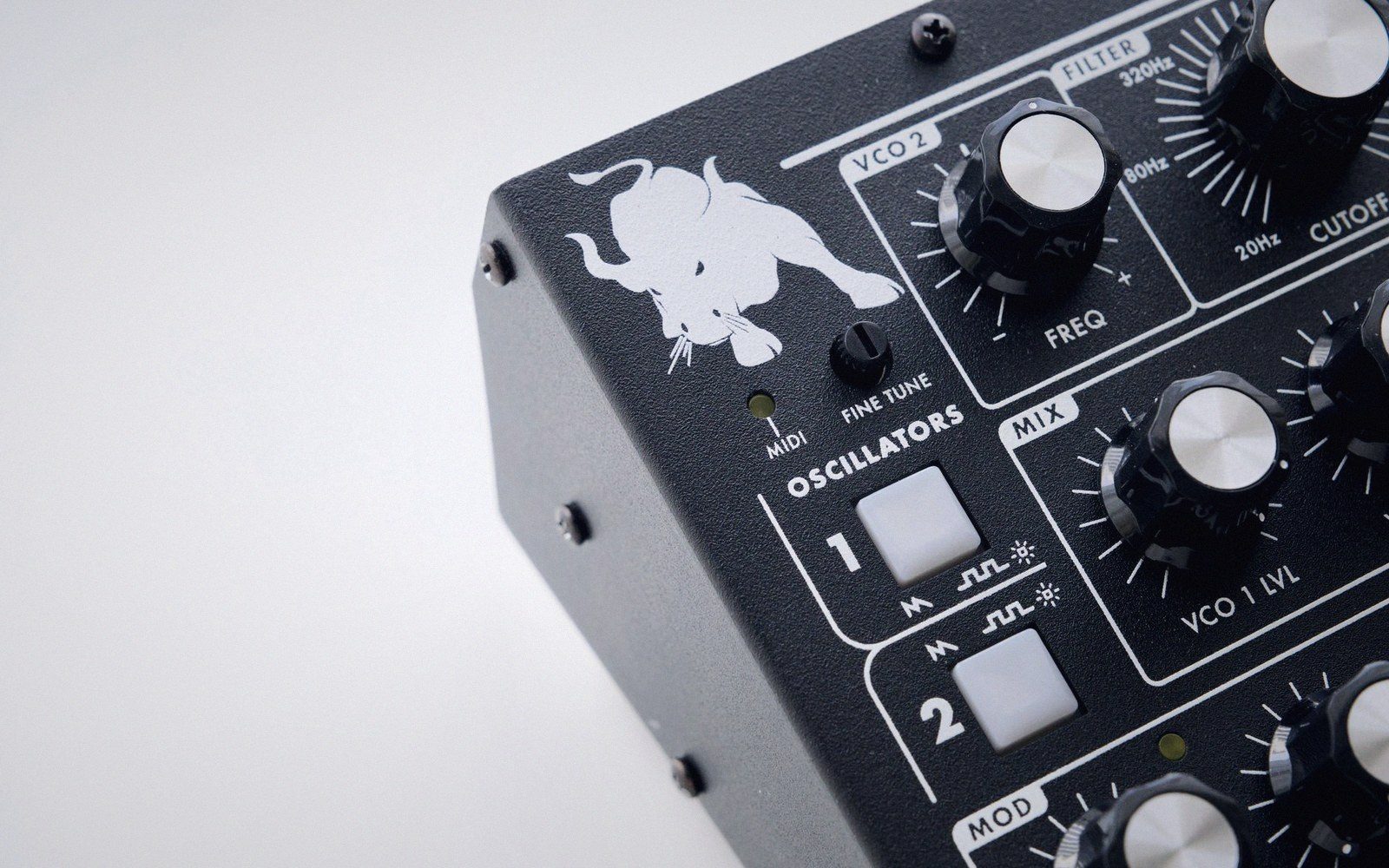
The Filter Is the Instrument
Subtractive synthesis explained through the component that gives it its character: resonance, self-oscillation, and why two filters with the same specification do not sound alike.
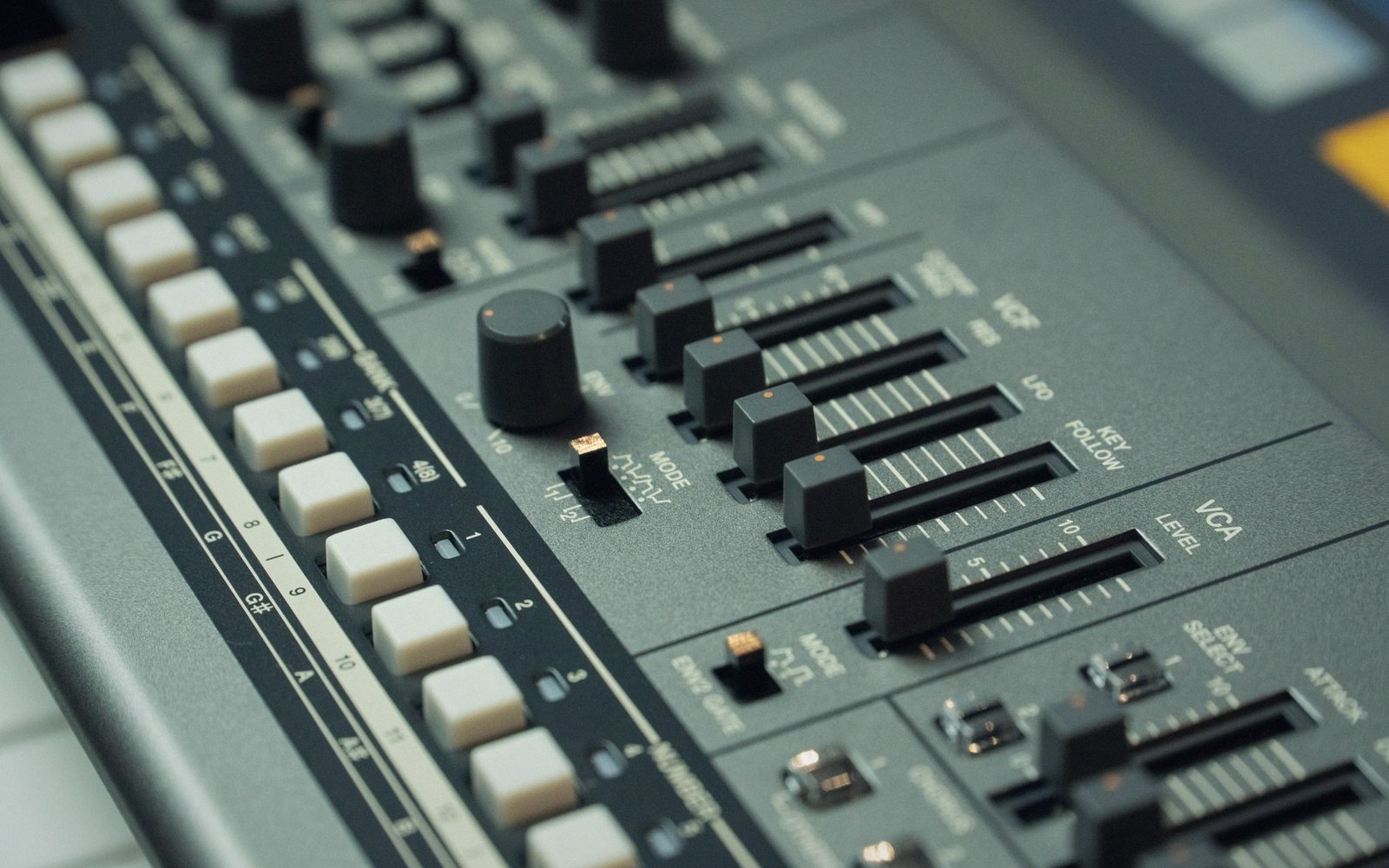
Monophony Is Why the Bass Line Has a Shape
One voice means every note is a decision about what to abandon. How the constraint produced glide, accent and the phrasing of a whole genre.
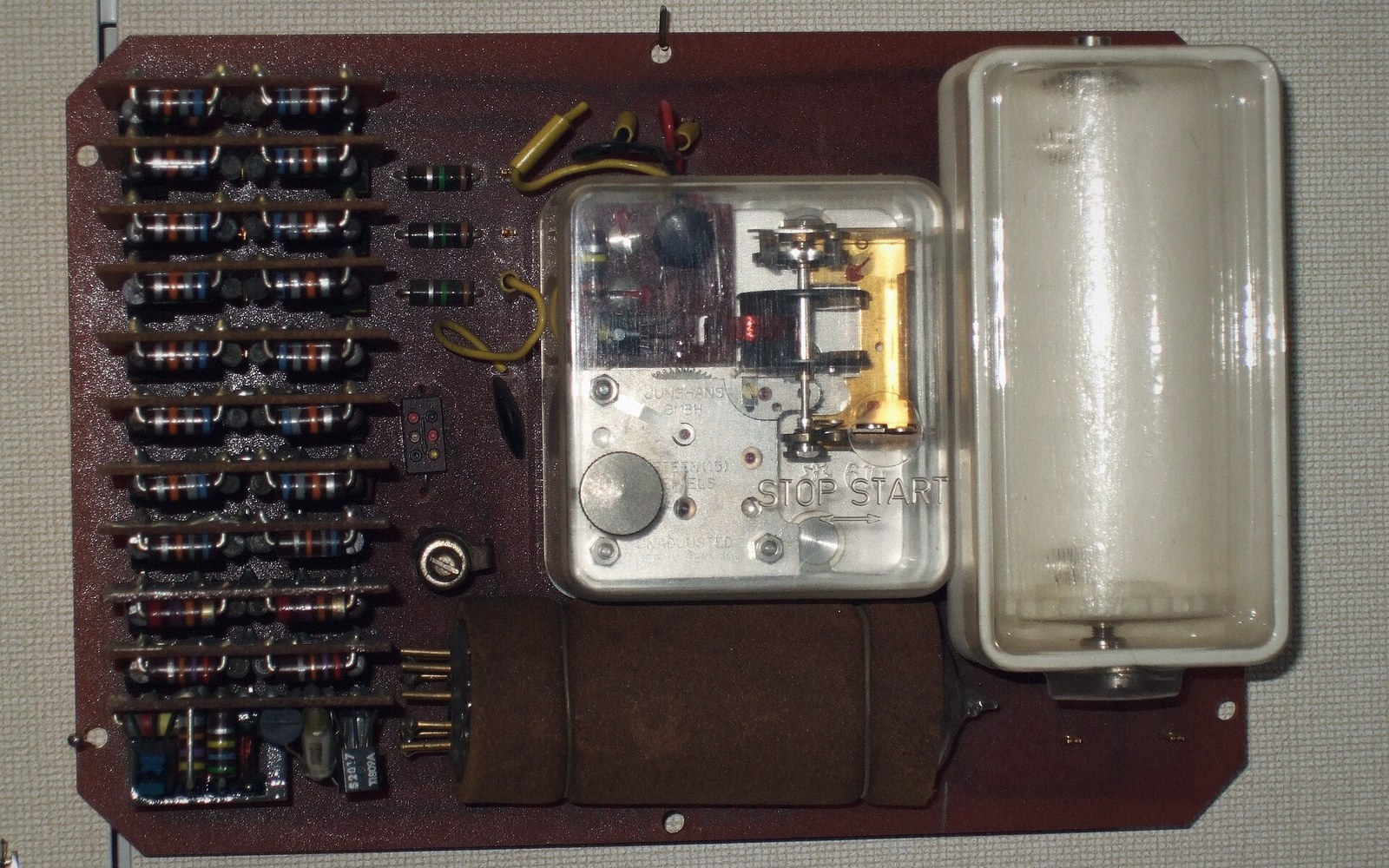
Tuning Drift as a Sound
Analogue oscillators wander with temperature. What was originally a defect became a signature, and what happened when it was engineered out.
The Drum Machines
Commercial failures that became canon.
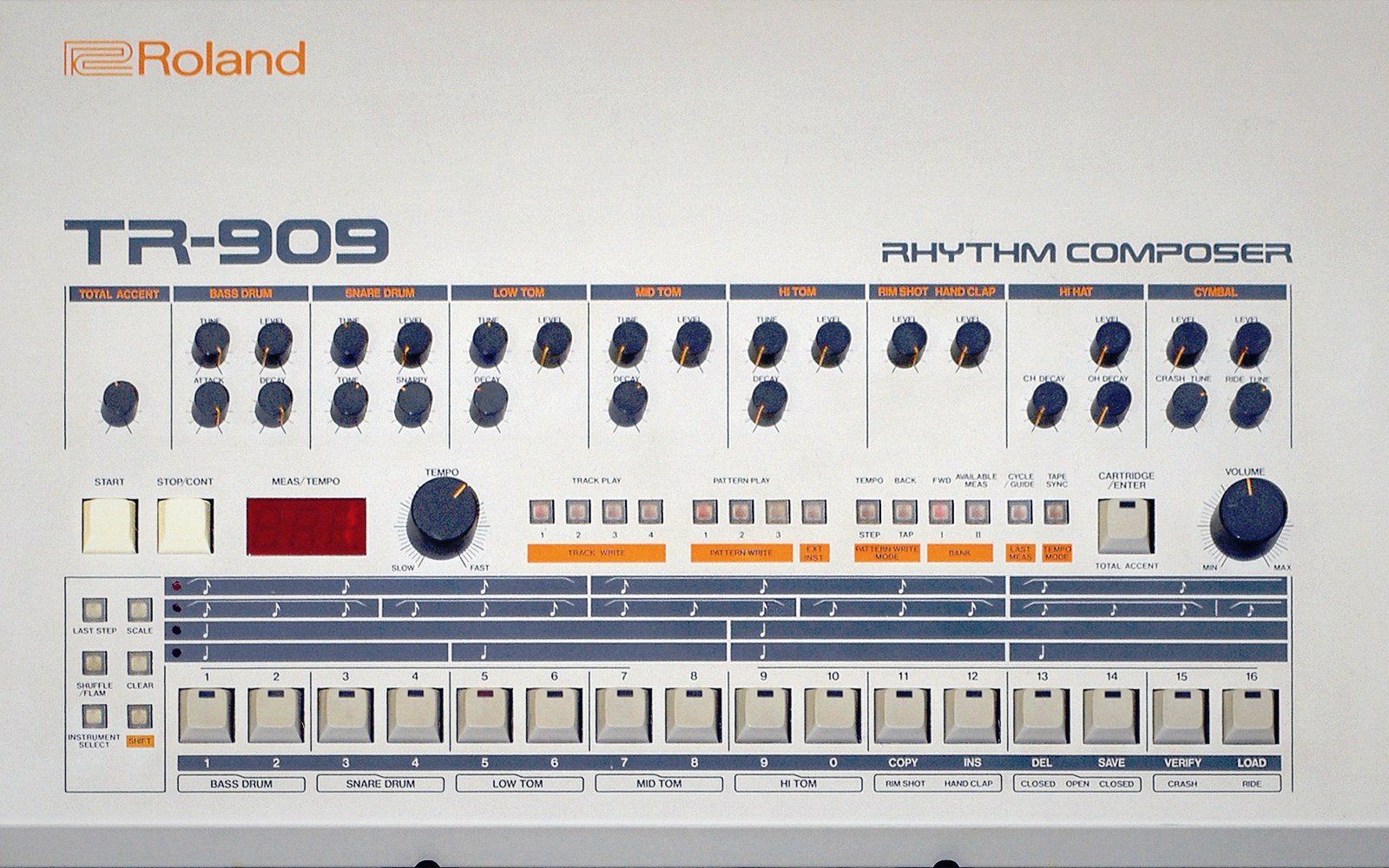
The Machine Nobody Wanted
The 808 failed first. Sold as a studio tool for demos, judged unrealistic, discontinued — and then bought second-hand for almost nothing by people who did not want realism. How a commercial failure became a canon.
How a Circuit Describes a Drum
Analogue drum voices are not recordings of drums; they are electronic approximations built from oscillators, noise and envelopes. What each element is standing in for, and what it invents when it cannot.
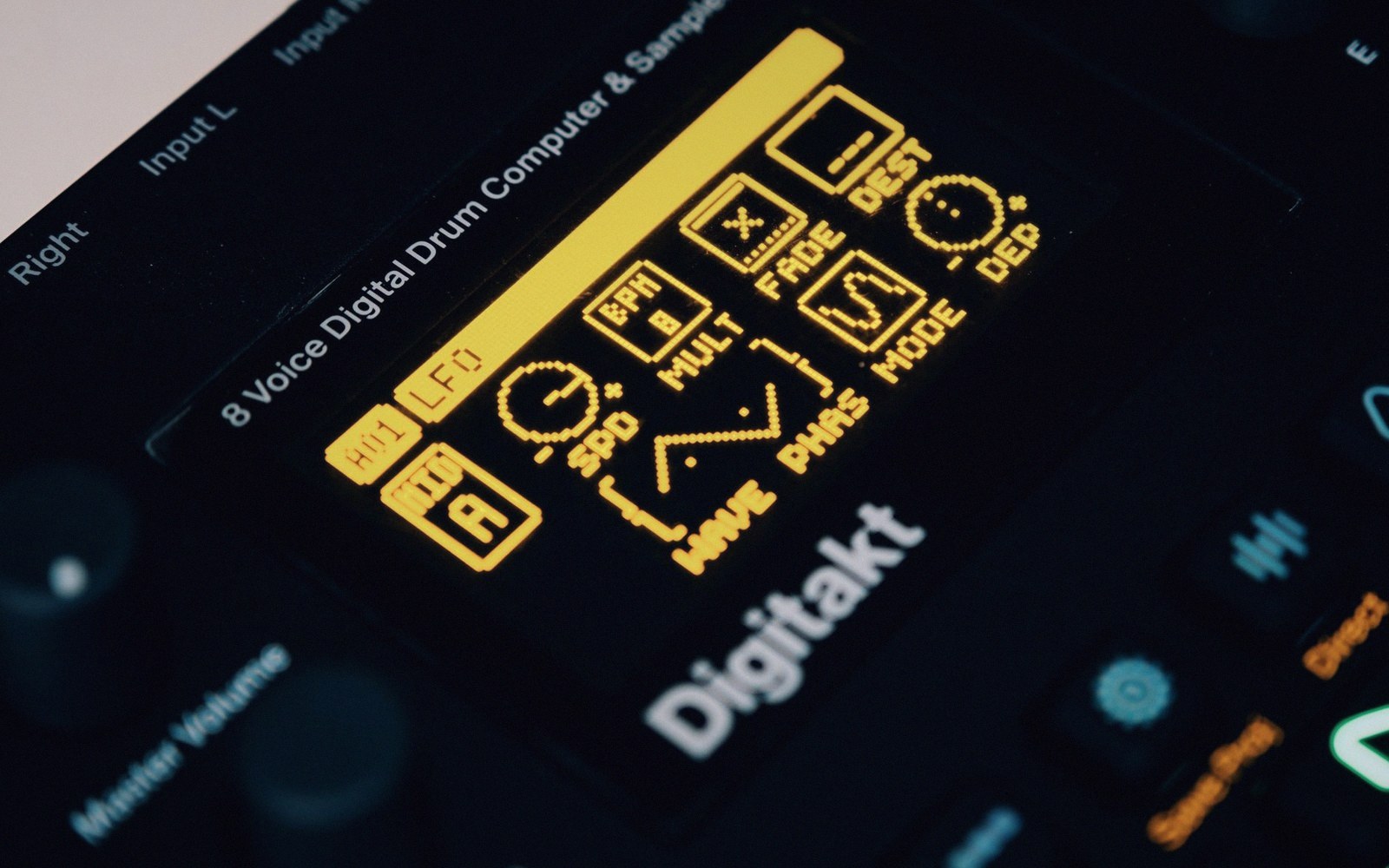
The Pattern, Not the Kit
Step programming changed rhythm before the sounds did. What sixteen buttons do to the way a part is conceived.
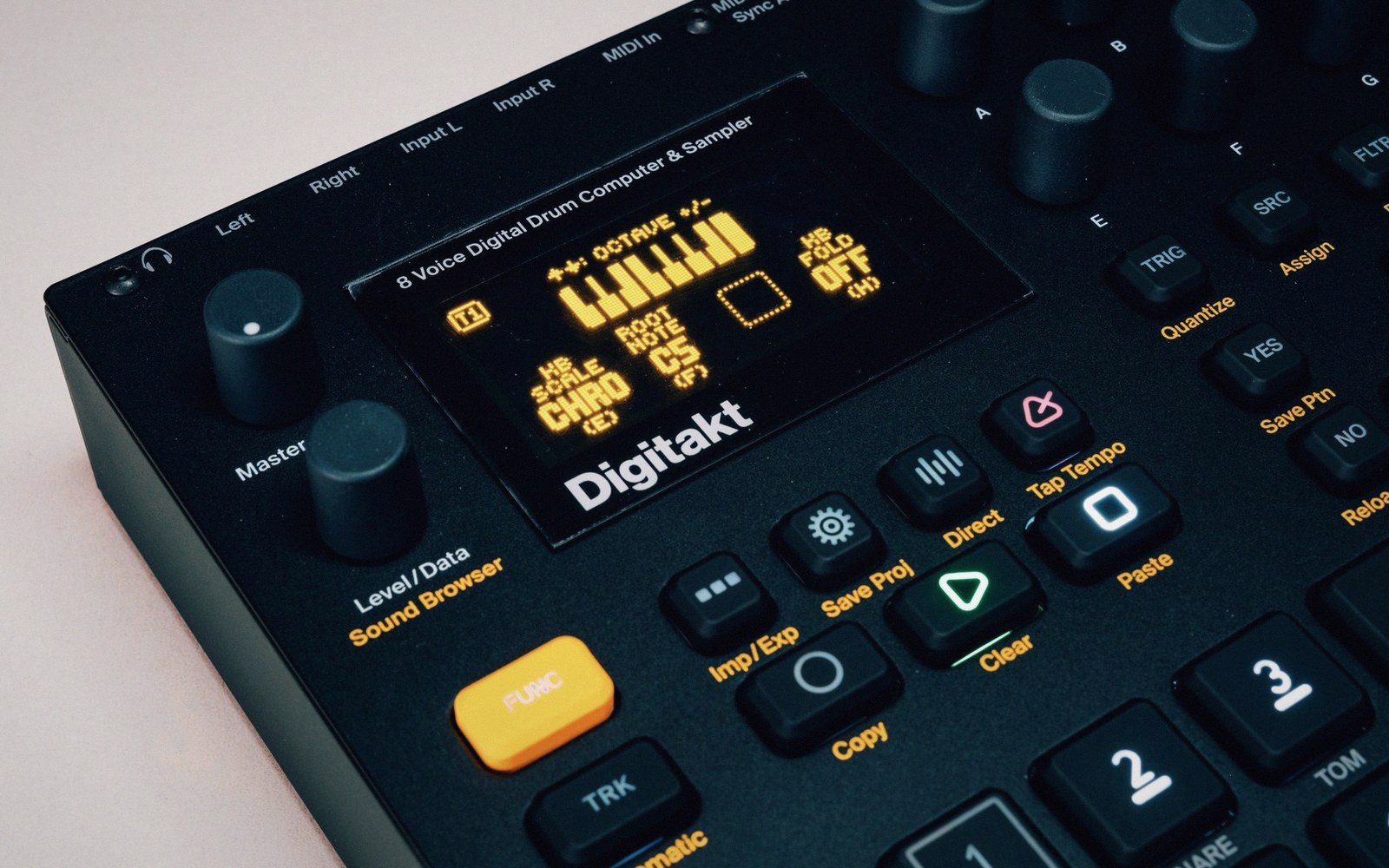
Accent and Swing as Parameters
When feel becomes a numeric setting: shuffle amounts, accent levels, and the difference between programmed and played.
The One That Sat in Between
Part analogue, part sampled — a design compromise that produced its own sound and its own genre. What the hybrid architecture actually did.
Sampling
Memory as an instrument, and who gets to make a record.
The Memory Ran Out, So the Break Was Cut Into Pieces
Two and a half seconds holds a fragment, not a performance. The ceiling was set by the price of memory, and it made the recorded bar raw stock.
Twelve Bits Was a Price, Not a Sound
Bit depth as a cost decision that later became an aesthetic. What quantisation actually does to a signal, and why people now pay to reproduce it.
A Floppy Per Sound
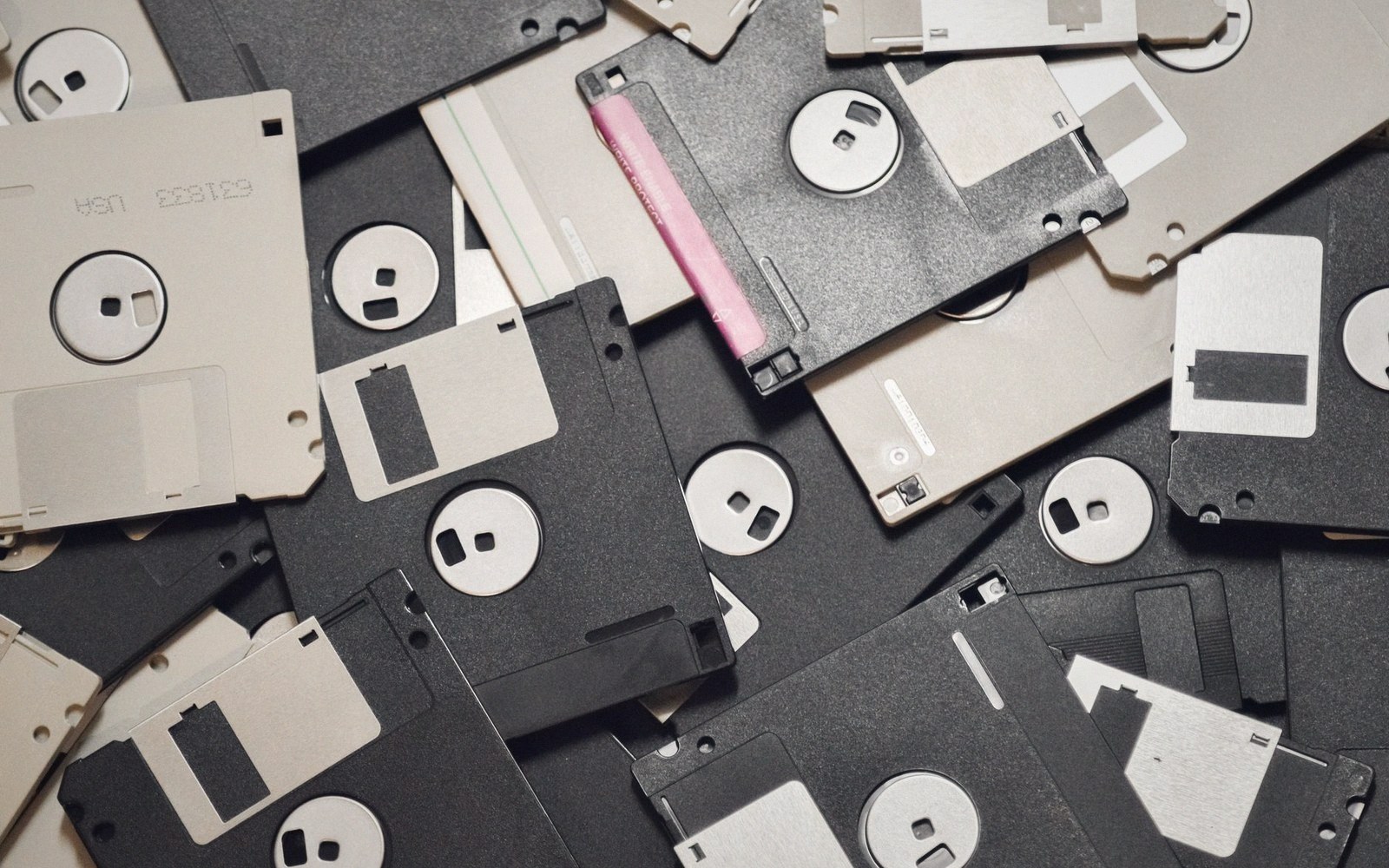
Storage as a working constraint: load times, disk swaps, and how a session was structured around what could be held at once.
Tuned by Playback Rate
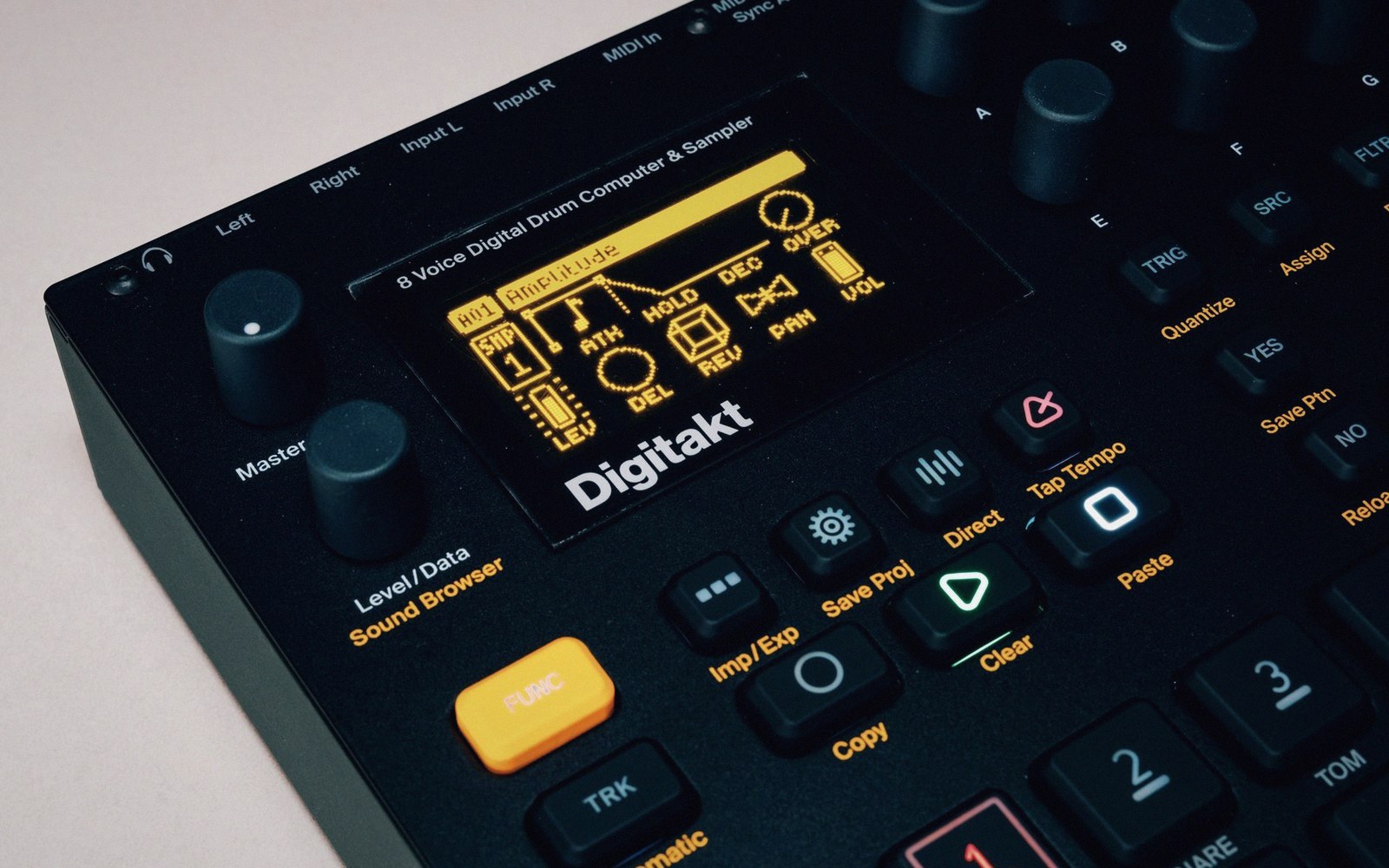
Early samplers pitched by changing playback speed, so pitch and duration moved together. The artefacts that produced, and the techniques built on them.
Truncate, Loop, Reverse
Three operations that constituted the whole vocabulary for years, and the enormous amount of music made from exactly them.
Sequencing
The step grid, the clock, and what composing became.
A Shift Register Decided How Long a Bar Could Be
Sixteen steps was a hardware fact before it was a musical convention. How the step count shaped phrase length across decades of music.
The Clock, and Who Holds It
Sync as an unglamorous problem: pulse standards, MIDI clock, drift, and what happens musically when two machines disagree.
Quantise
Snapping to a grid as the most consequential edit in the box. What it fixes, what it removes, and the deliberate use of turning it off.
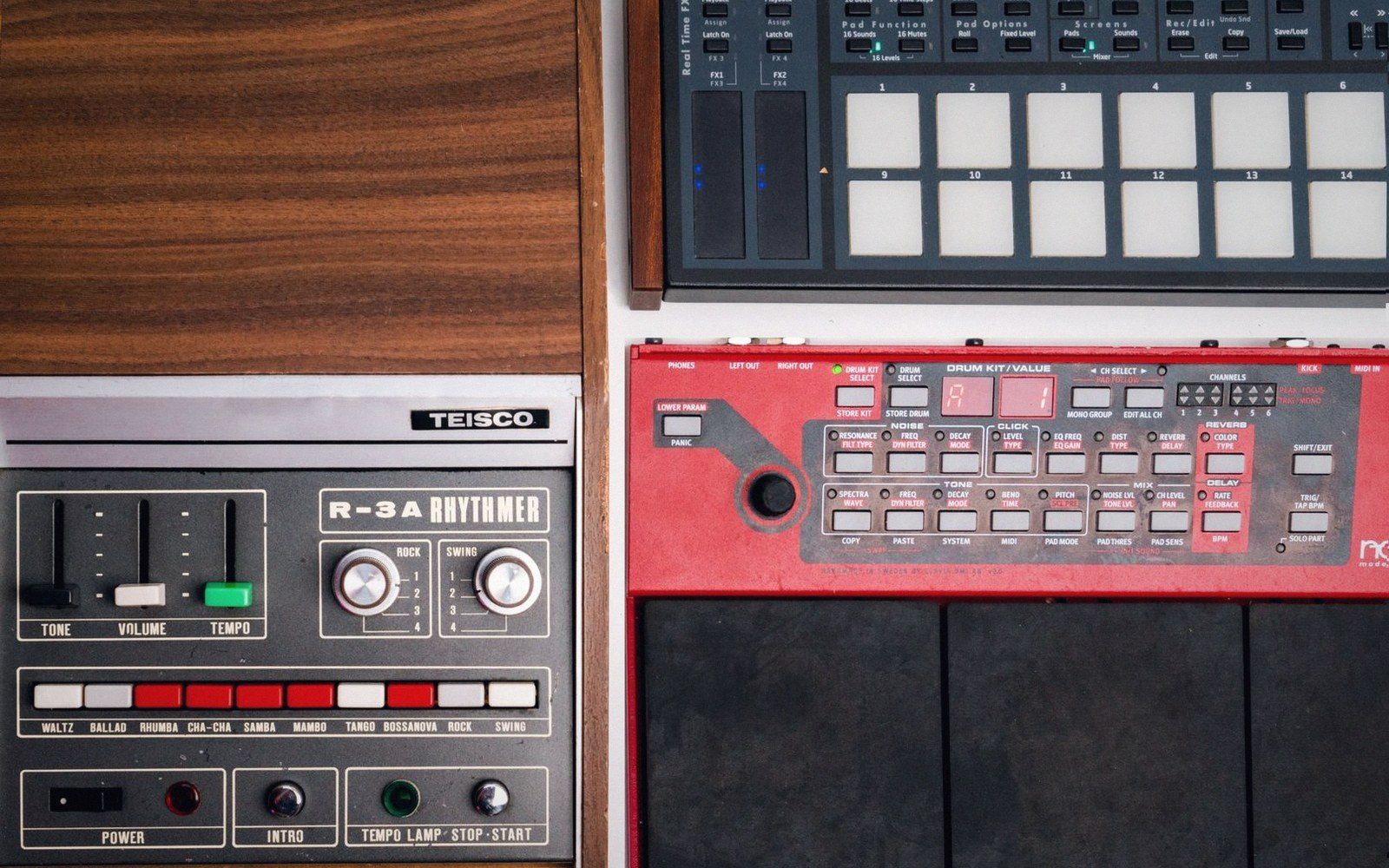
The Pad Grid
Playing a sequencer as an instrument rather than programming it — what changes when the interface invites performance.
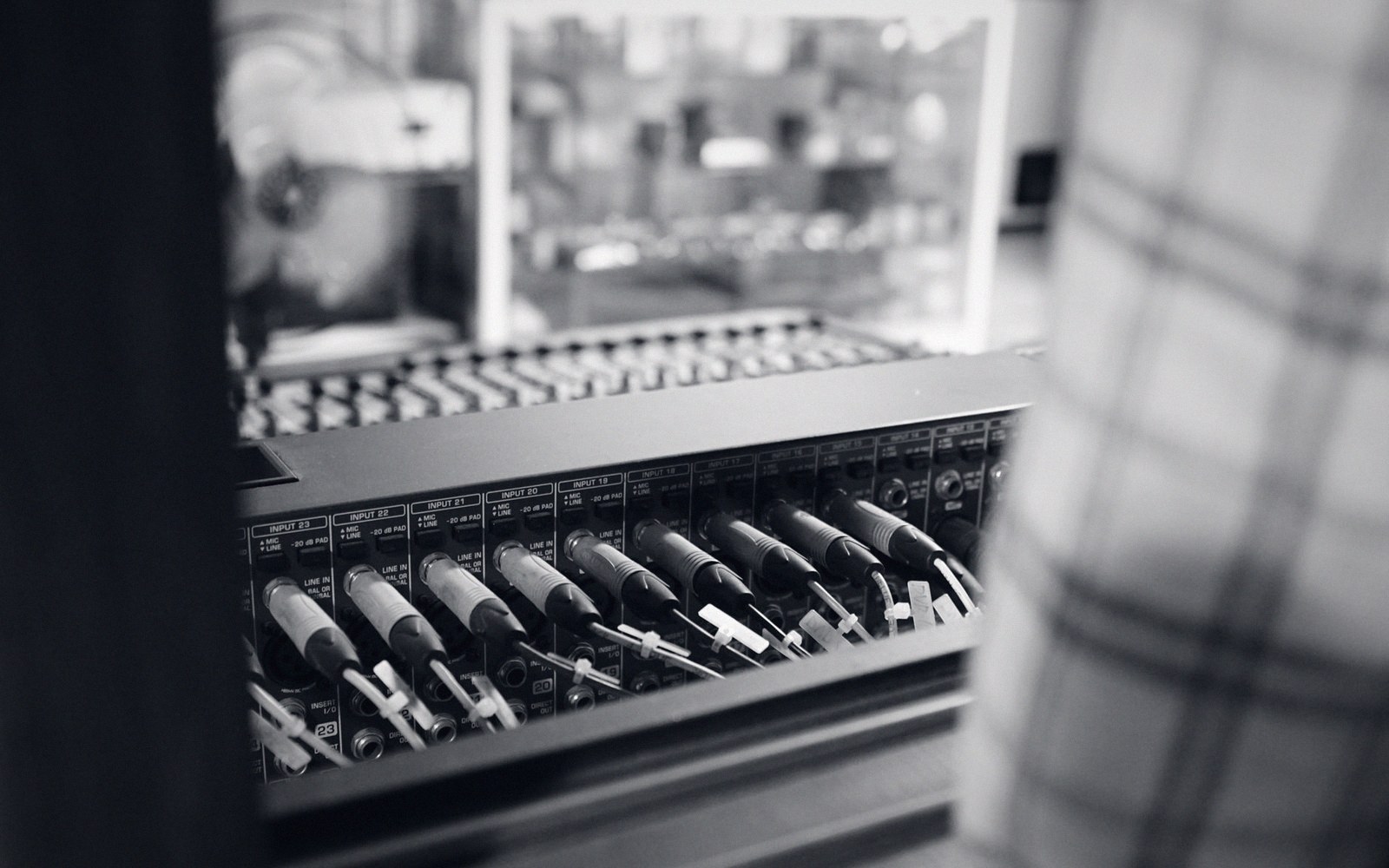
The Studio
The desk, the tape machine and the room, played as one.
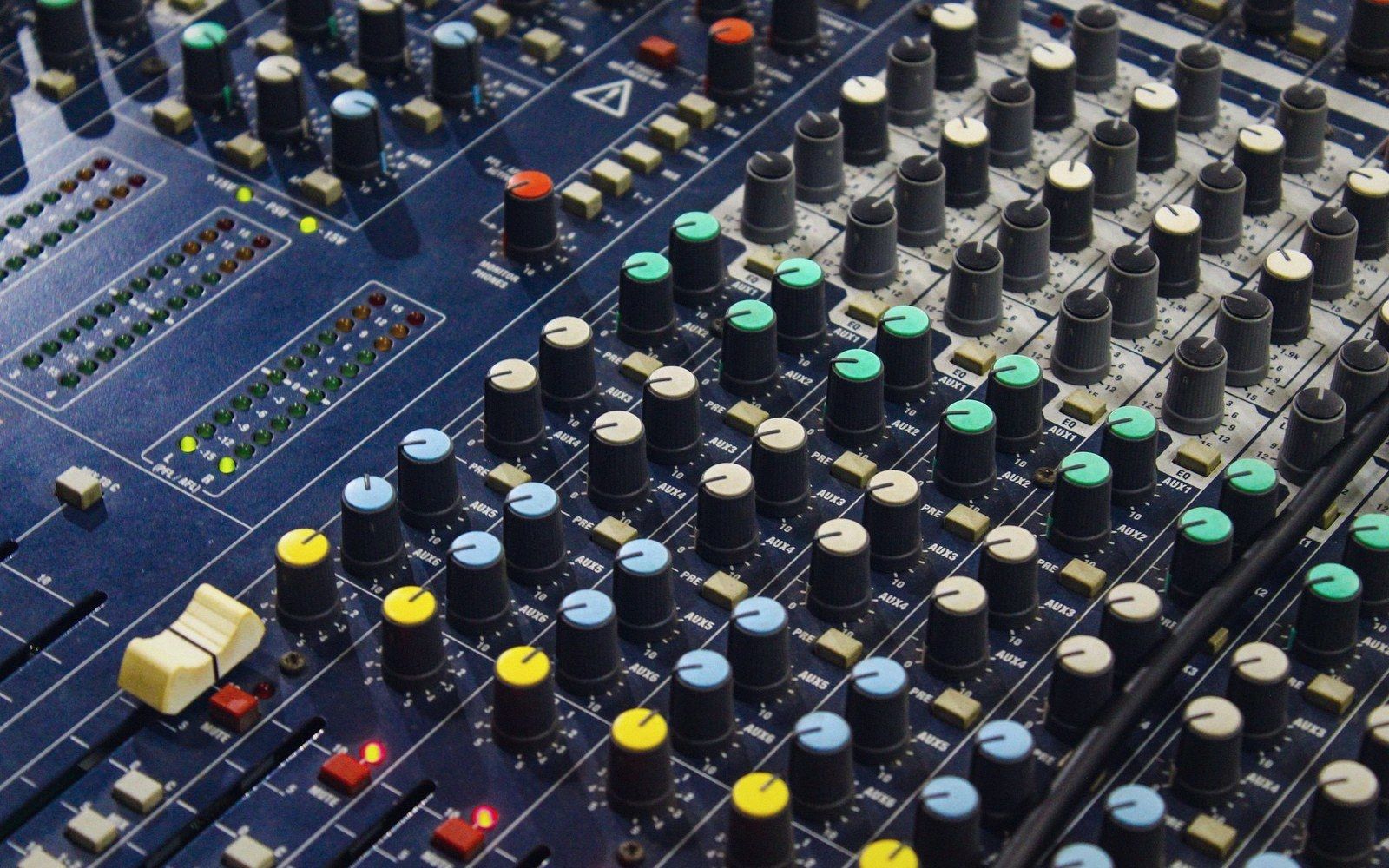
The Desk Is an Instrument
A mixing console is not neutral. Channel path, EQ curves, headroom and the sound of summing — the studio's own contribution to records credited entirely to the machines.
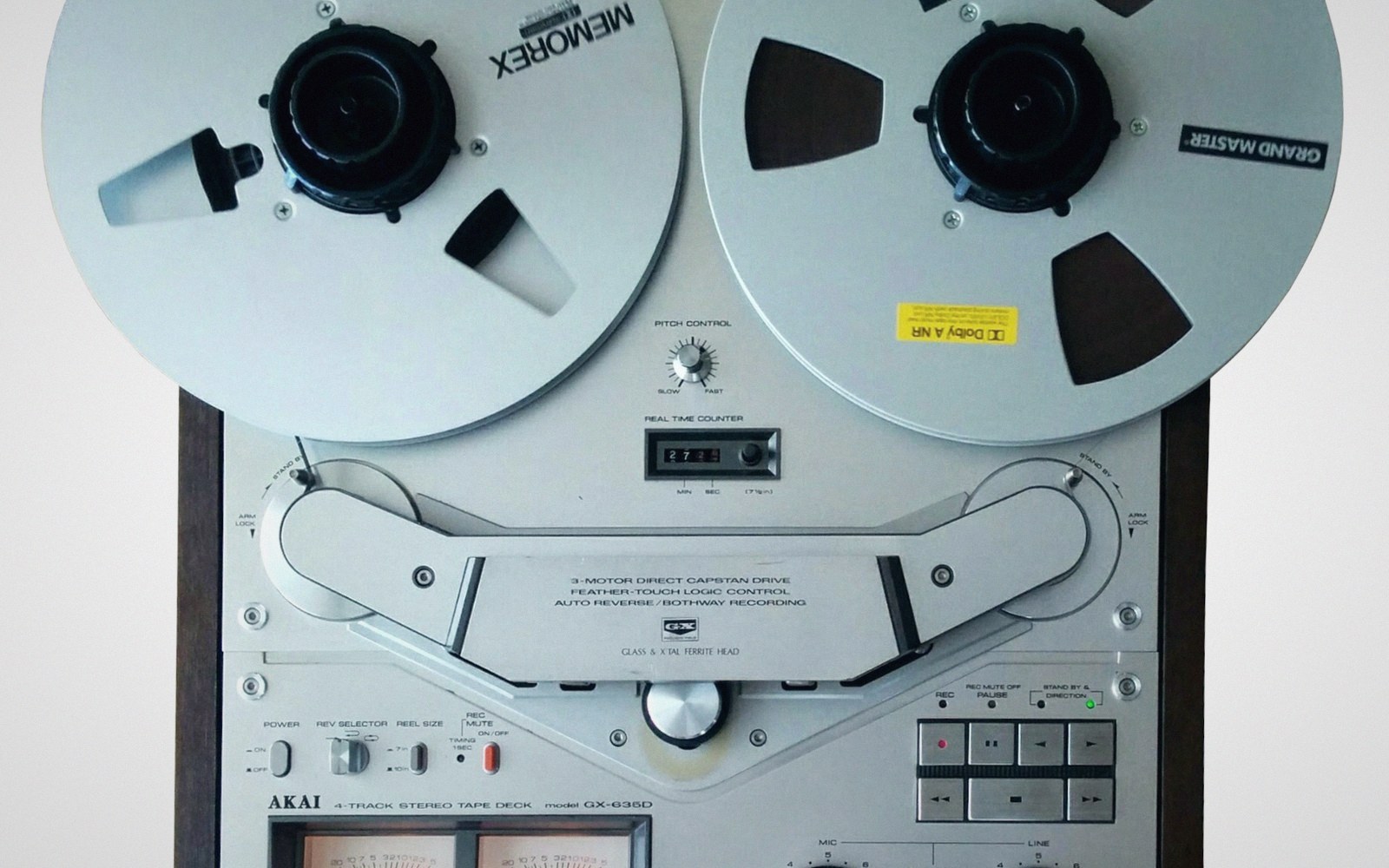
Tape as a Process
Saturation, wow and flutter, and the physical editing that shaped arrangement. What tape imposed and what it offered.
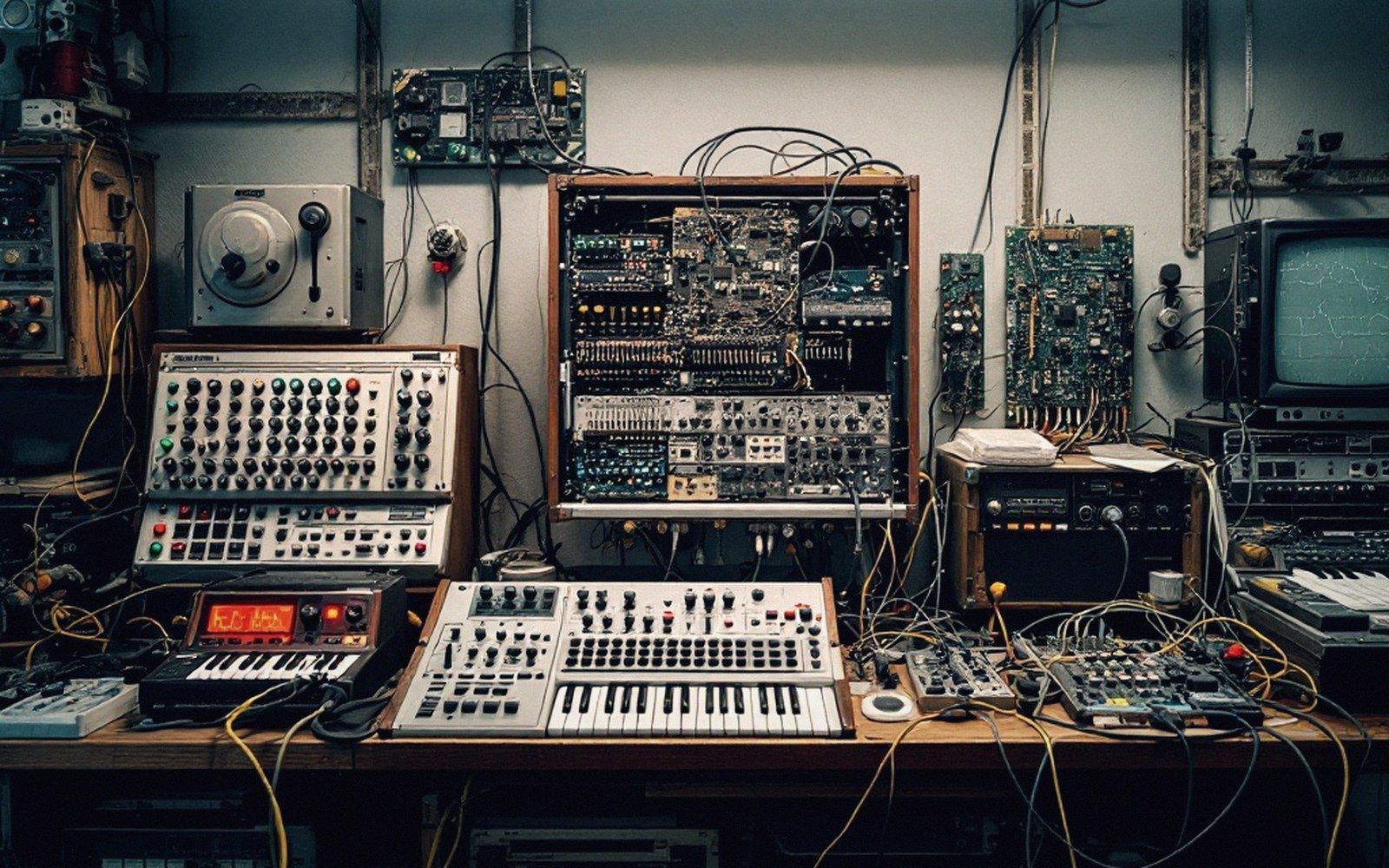
The Room in the Record
Reverb before plug-ins: chambers, plates and springs as physical objects with opinions.
Where the Panels Were Bent
The manufacturing geography of these instruments — a small number of places produced almost all of them, and the music came from somewhere else entirely.
Where the panels were bent
A small number of towns produced almost all of these instruments. The music came from somewhere else entirely.
- Hamamatsu
- Osaka
- Detroit
- Chicago
- Dusseldorf
- Sheffield
Studios whose racks neighbour ours.
Labels, manufacturers and studios whose gear shares space in these pages.